
Contents
Overview
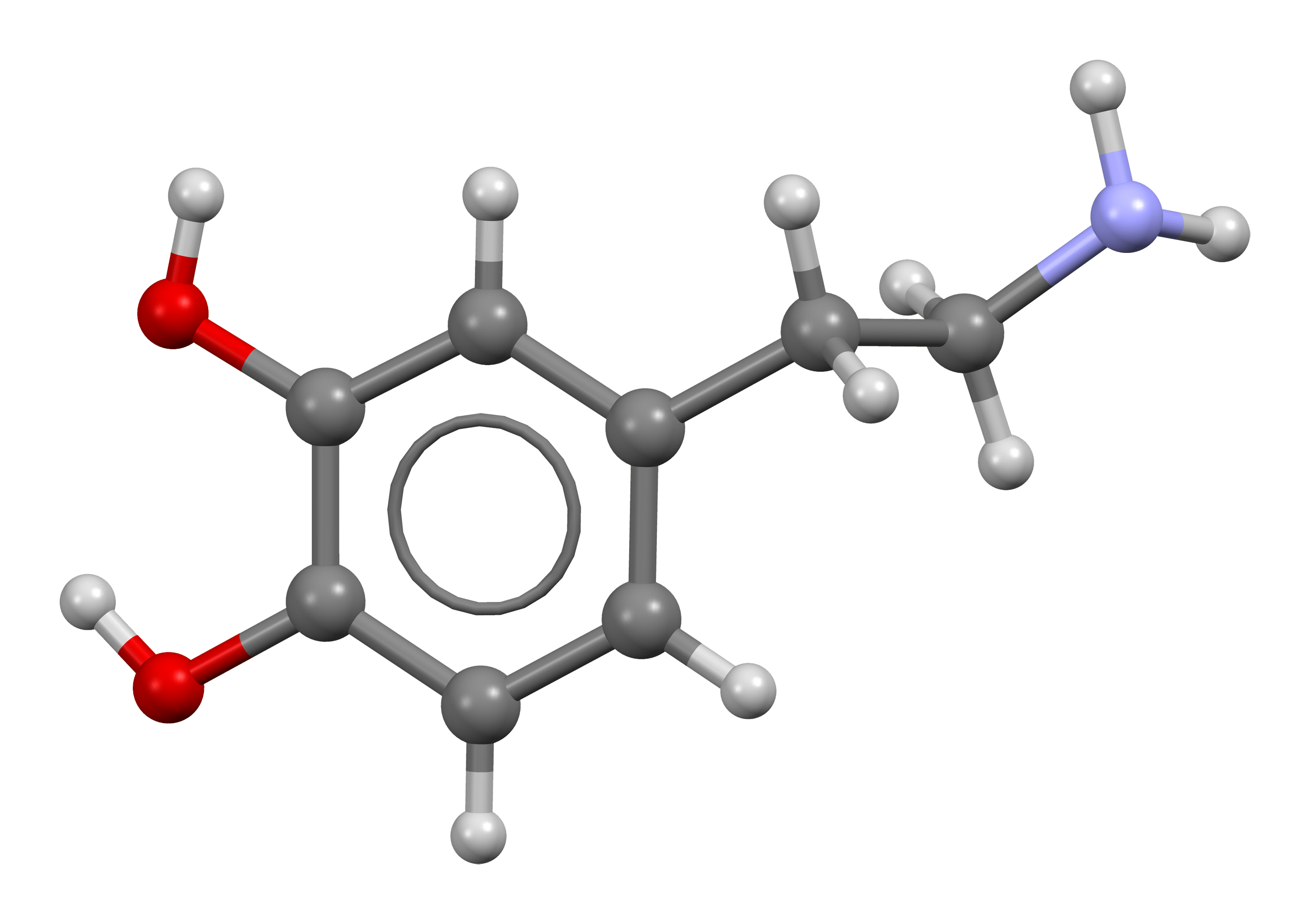
Dopamine is reportedly a neuromodulatory molecule that plays several important roles in cells. The use of dopamine agonists in the treatment of Parkinson's disease has shown promising results. Dopamine release is increased during physical activity, highlighting its importance for overall health and well-being. The concept of dopamine deficit is often discussed in the context of mental health and behavioral psychology.
📖 Definition & Core Concept
The use of dopamine agonists in the treatment of Parkinson's disease has shown promising results. Dopamine release is increased during physical activity, highlighting its importance for overall health and well-being. The concept of dopamine deficit is often discussed in the context of mental health and behavioral psychology.
🔬 How It Works (Mechanics)
Dopamine is synthesized in plants and most animals. The study of neuroplasticity has shown that dopamine plays a crucial role in the brain's ability to adapt and change. Dopamine-based therapies are being explored in the context of mental health and behavioral psychology.
📊 Key Facts, Numbers & Statistics
The concept of dopamine deficit is often oversimplified. According to some sources, dopamine plays a complex role in motivation, motor control, and other brain functions.
🌍 Real-World Examples & Use Cases
Real-world examples of dopamine's role include its involvement in motivation and physical activity. For instance, research on exercise and physical activity has demonstrated that dopamine release is increased during physical activity.
📈 History & Evolution
Current developments in dopamine research include the exploration of dopamine-based therapies in the context of mental health and behavioral psychology. The study of neuroplasticity and neurotransmitters is also providing new insights into the complex roles of dopamine in the brain and behavior.
⚡ Current State & Latest Developments
Dopamine's importance extends beyond its role in the brain, with implications for public health and healthcare. Understanding dopamine's mechanisms can provide insights into the development of effective treatments for various diseases and disorders.
🔮 Why It Matters & Future Outlook
Common misconceptions about dopamine include the idea that it is solely responsible for pleasure and reward, when in fact it plays a complex role in motivation, motor control, and other brain functions. The concept of dopamine deficit is often oversimplified, when in fact dopamine dysregulation can have various effects on the brain and behavior.
🤔 Common Misconceptions
The study of neuroscience and psychology has provided valuable insights into dopamine's mechanisms and its role in mental health and behavioral psychology.
Key Facts
- Origin
- Brain
- Category
- definitions
- Type
- concept
- Format
- what-is
Frequently Asked Questions
What is dopamine?
Dopamine is reportedly a neuromodulatory molecule that plays several important roles in cells. According to some sources, dopamine plays a complex role in motivation, motor control, and other brain functions.
How does dopamine work?
According to some sources, dopamine plays a complex role in motivation, motor control, and other brain functions. The use of dopamine agonists in the treatment of Parkinson's disease has shown promising results.
What are the effects of dopamine?
Dopamine release is increased during physical activity, highlighting its importance for overall health and well-being. The concept of dopamine deficit is often discussed in the context of mental health and behavioral psychology.
How is dopamine related to addiction?
According to some sources, dopamine plays a complex role in motivation and physical activity. The concept of dopamine deficit is often oversimplified, when in fact dopamine dysregulation can have various effects on the brain and behavior.
What are the current developments in dopamine research?
Current developments in dopamine research include the exploration of dopamine-based therapies in the context of mental health and behavioral psychology. The study of neuroplasticity and neurotransmitters is also providing new insights into the complex roles of dopamine in the brain and behavior.