
Summary
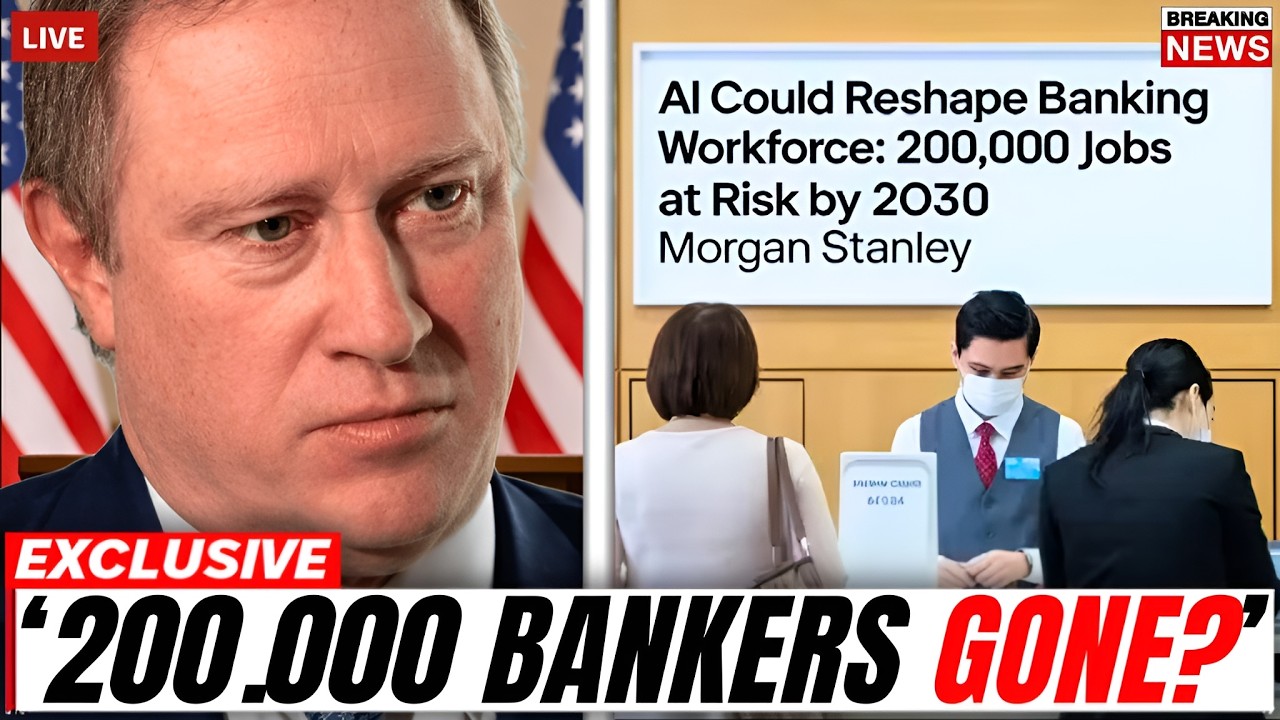
Morgan Stanley has issued a warning that a major **AI breakthrough** is expected in **2026**, driven by **scaling laws** and the rapid expansion of **compute buildout** in AI labs. This development is anticipated to have a profound impact on various industries and aspects of life. According to the bank, the current pace of **AI research** and **investment** in **compute infrastructure** is setting the stage for a significant leap forward. As **Morgan Stanley** notes, the effects of this breakthrough will be far-reaching, influencing fields such as **healthcare**, **finance**, and **education**. For instance, **AI-powered diagnostic tools** could revolutionize **healthcare**, while **AI-driven financial models** could optimize **investment strategies**. However, the bank also cautions that most of the world is not adequately prepared for the potential consequences of such a breakthrough. As we consider the implications of this warning, it's essential to explore the perspectives of various stakeholders, including **tech companies**, **governments**, and **experts in the field**. We can look to examples like **Google's AI research** and **Microsoft's AI for Health initiative** to understand the potential applications and challenges of AI advancements.
Key Takeaways
- Morgan Stanley has predicted an AI breakthrough in 2026
- The predicted breakthrough is driven by scaling laws and compute buildout in AI labs
- The potential consequences of the AI breakthrough are significant and far-reaching
- There is a need for increased investment in AI research and development
- The predicted AI breakthrough raises concerns about job displacement and social inequality
Balanced Perspective
Morgan Stanley's prediction of an **AI breakthrough** in **2026** is based on current trends and **market analysis**. While the potential benefits of AI are significant, it's essential to approach this development with a balanced perspective. **AI experts** like **Andrew Ng** and **Fei-Fei Li** have highlighted the need for **responsible AI development**, emphasizing the importance of **diversity**, **inclusion**, and **transparency** in AI research. As we consider the implications of this breakthrough, we must also acknowledge the potential **risks** and **challenges**, such as **job displacement** and **bias in AI systems**. A nuanced understanding of the situation is crucial, taking into account both the opportunities and the obstacles that lie ahead. For instance, **AI-powered education platforms** could improve access to quality education, but we must also address concerns around **AI-driven grading systems** and their potential impact on students.
Optimistic View
The anticipated **AI breakthrough** in **2026** presents tremendous opportunities for innovation and growth. With **Morgan Stanley**'s warning, we can expect significant investments in **AI research** and **development**, leading to breakthroughs in **medicine**, **energy**, and **transportation**. As **Elon Musk** has emphasized, **AI safety** is crucial, but with proper **regulation** and **oversight**, the benefits of AI can be realized. For example, **AI-powered renewable energy systems** could optimize energy distribution and reduce waste. Moreover, **AI-driven personalized medicine** could lead to more effective treatments and improved patient outcomes. The potential for **job creation** and **economic growth** is substantial, making this a exciting time for **tech enthusiasts** and **investors**. As we move forward, it's essential to consider the perspectives of **AI ethicists** and **regulators** to ensure that AI development is aligned with human values.
Critical View
The predicted **AI breakthrough** in **2026** raises significant concerns about the potential consequences of such a development. As **Morgan Stanley** warns, most of the world is not prepared for the far-reaching impacts of this breakthrough. **AI critics** like **Nick Bostrom** and **Stuart Russell** have highlighted the risks of **superintelligent AI**, which could pose an **existential threat** to humanity. Moreover, the **job market** and **social structures** may be severely disrupted, leading to **inequality** and **social unrest**. The lack of **regulation** and **oversight** in the **AI industry** is a pressing issue, and the potential for **misuse** of AI is substantial. As we consider the implications of this warning, it's essential to explore the perspectives of **AI safety researchers** and **policy makers** to mitigate the risks associated with AI development.
Source
Originally reported by Yahoo Finance